
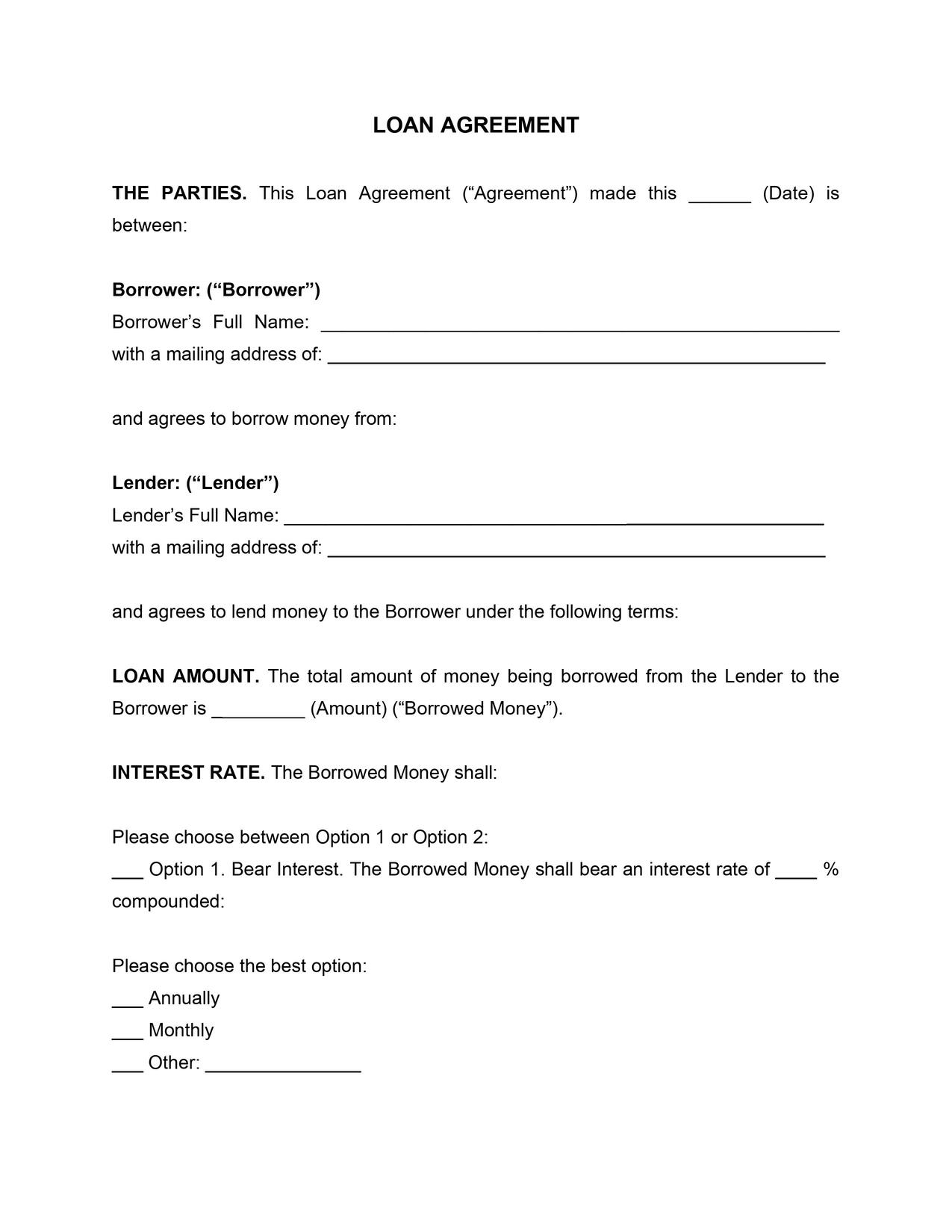
Despite the fact that your company may require you to sign a noncompete contract, there are lots of instances when it may not be enforceable.
A Texas court late last month struck down a nationwide restriction on noncompete contracts that was supposed to work this Wednesday.
Existing noncompete agreements will certainly therefore now continue to be in place. And companies may still ask you to authorize one as a condition of employment. That is, unless and until a higher court chooses or else, or Congress passes a law prohibiting it. But, if that does take place, it might take years.
In the meantime, if you’re working under a noncompete contract – or are thinking about authorizing one – right here’s what you need to understand and do, since sometimes the contract might not be enforceable.
1. Comprehend what your noncompete requires
Generally talking, noncompetes forbid you from benefiting your employer’s competitors within a given geographic distance for a given time period. For instance, you may be forbidden from working for a rival within 50 miles of your existing work for a year after leaving.Read more hawaii non-competition agreement step-by-step walkthrough At website Articles
So, understand specifically just how you will certainly be constricted when you leave your existing work – whether you give up, obtain given up or are discharged for reason – and what, if anything, you are buying for signing away your right to work where you desire.
Additionally comprehend just how the location of rivals is defined, since the arrangement could preclude you from working at a business within a provided distance not simply from your own job website, however likewise that of your firm’s satellite areas.
‘Review your arrangement. You ‘d marvel how many people don’t,’ said Michael Fiffik, managing companion of Pennsylvania-based Fiffik Law Group PC. His law firm likewise provides solutions via LegalShield, which links people with lawyers in their state to advise them on their noncompete contracts and various other matters at little to on the house when they sign up for a month-to-month strategy that costs simply under $30 and can be canceled any time.
Also, when considering whether to sign a noncompete, ‘think of it in the context of your profession course,’ Fiffik recommended. By that he suggests if it’s typical in your profession to go up by moving on every couple of years, signing a noncompete may be problematic.
And, as a whole, everyone needs to evaluate the documentation they authorized when they took their work, due to the fact that they may not also be aware they signed one, claimed Donna Ballman, an employee-side work legislation lawyer in Florida and writer of ‘Defend Yourself Without Getting Fired.’
‘Some (noncompete provisions) are camouflaged as a ‘discretion agreement’ or ‘incentive agreement,’ and even (might appear) in job applications. Most individuals sign that large stack of documentation they get at the beginning of their employment without reading it carefully,’ Ballman wrote in an e-mail to CNN.
2. Discover if your state restricts noncompetes
The state where you’re functioning might enforce restrictions or straight-out bans, which may provide your noncompete void. Start by checking online with your state’s labor division and the state’s chief law officer. This interactive map, from the Economic Technology Team, also offers a quick run-through of present state restrictions and restrictions.
For instance, in The golden state, 2 new regulations went into effect reiterating and making plain what has held true considering that the 1800s: Noncompetes are, with couple of exemptions, illegal and void, according to Robert Ottinger, founder of Ottinger Employment Attorney.
That consists of anybody in California that is utilized by a firm headquartered in other places or whose task is relocated to The golden state. ‘The min you set foot in The golden state, [the noncompete agreement] evaporates,’ Ottinger claimed, even if it states it goes through the regulations of an additional state.
In New york city, many agreements are unenforceable since they do not meet the multipart examination the state needs of such contracts to be legitimate, including not imposing unnecessary challenge on a worker. In Ottinger’s experience, ‘there’s a 90% or greater possibility of it being invalid. If you take it before a judge, the court will not enforce it,’ he stated. That is specifically the case for low- and mid-level employees, he added. ‘We’ve had pet dog pedestrians and sandwich manufacturers based on them. We win practically every single time.’
By contrast, many other states enforce much less restrictions. And some, like Kansas and South Carolina, impose none in any way, according to the Economic Technology Team.
3. Also missing state constraints, antitrust laws still apply
Even where employees are least safeguarded by state law, you still may have recourse if you feel your noncompete arrangement is outright.
‘Federal and state antitrust legislation still uses, so it’s still unlawful to have a noncompete arrangement for the objective of preventing competition. Employers have to have a legit rate of interest to shield, such as safeguarding secret information or trade secrets, consumer goodwill, phenomenal or customized training the employer provided, or special partnerships with customers developed as a result of the work,’ Ballman said.
And the Federal Trade Payment, which produced the now struck-down regulation prohibiting noncompetes, keeps in mind that it is not prevented from ‘dealing with noncompetes with case-by-case enforcement activities.’
Ballman stated that there are some defenses versus a noncompete that many states will recognize. ‘These consist of where the employer breaches the agreement first, where there is no reputable interest to safeguard other than protecting against competitors, where the size of time or the extent is overbroad, or where public health or security would certainly not be served.’
And there may be various other methods to prove your noncompete is invalid, especially when the employer shows that it is intended to shield secret information. As an example, Ballman said, ‘many employers do not really take measures to secure that so-called confidential information. If it gets on the site, if they permit some workers to compete however not others, if they extol customers on social networks, after that there’s a great disagreement that the details isn’t private after all.’
All that said, ‘there’s no magic wand to leave these,’ she included. So, knowing what you’re entering into before signing anything and consulting with a knowledgeable employee-side work attorney in your state may save you a great deal of time and stress and anxiety when you do at some point move on to a brand-new work.